Type 2 diabetes has become one of the most common chronic health conditions in India, affecting people across different age groups, lifestyles, and socioeconomic backgrounds. What was once considered a condition affecting older adults is now increasingly being diagnosed in younger individuals due to sedentary lifestyles, unhealthy eating habits, stress, obesity, and genetic factors.
The condition develops when the body becomes resistant to insulin or is unable to produce enough insulin to keep blood sugar levels within a healthy range. As a result, glucose remains in the bloodstream instead of being used by the body’s cells for energy. Over time, persistently high blood sugar levels can damage the heart, kidneys, eyes, nerves, and blood vessels.
The encouraging news is that effective type 2 diabetes mellitus treatment can help people control their blood sugar, reduce complications, and maintain a healthy quality of life. Modern diabetes management is not limited to medications. It involves a comprehensive approach that includes healthy eating, physical activity, weight management, routine monitoring, stress reduction, and regular medical follow-up.
Many people assume that a diabetes diagnosis means lifelong restrictions and poor health. In reality, early intervention and proper treatment can significantly improve outcomes. Some individuals may even achieve diabetes remission through substantial lifestyle changes under medical supervision.
In this guide, we’ll explain how type 2 diabetes is diagnosed, the treatment options available in India, how medications work, when insulin may be required, the role of an Indian diabetic diet, the importance of HbA1c monitoring, and when to seek specialist care.
How Is Type 2 Diabetes Diagnosed?
One of the biggest challenges with type 2 diabetes is that it often develops silently. Many people live with elevated blood sugar levels for years without realizing it because symptoms can be mild or may not appear until the disease has progressed.
Some of the most common symptoms include excessive thirst, frequent urination, fatigue, blurred vision, increased hunger, slow wound healing, and unexplained weight loss. However, many patients discover they have diabetes only during a routine health check-up.
Doctors use several blood tests to diagnose diabetes and evaluate blood sugar control.
Fasting Blood Sugar Test
The fasting blood sugar test is performed after not eating for at least 8–12 hours. It provides a baseline measure of how the body regulates glucose without the influence of recent meals.
| Result | Blood Sugar Level |
| Normal | 70–99 mg/dL |
| Prediabetes | 100–125 mg/dL |
| Diabetes | 126 mg/dL or higher |
A fasting blood sugar level above the normal range does not always mean diabetes, but it may indicate insulin resistance or prediabetes, which increases the risk of developing diabetes in the future.
HbA1c Test
The HbA1c test is one of the most valuable tools in diabetes diagnosis and management. Unlike a single blood sugar reading, HbA1c measures the average blood glucose level over the previous two to three months.
| HbA1c Result | Interpretation |
| Below 5.7% | Normal |
| 5.7–6.4% | Prediabetes |
| 6.5% or higher | Diabetes |
Because it reflects long-term glucose control, doctors often rely on HbA1c to monitor treatment effectiveness and adjust medications when necessary.
Random Blood Sugar Test
A random blood sugar test can be performed at any time of the day. If a patient has classic diabetes symptoms and a random blood sugar level of 200 mg/dL or higher, diabetes may be diagnosed.
Early diagnosis is extremely important. When blood sugar remains uncontrolled for years, it can silently damage vital organs and increase the risk of serious health complications.
First-Line Treatment Lifestyle Changes That Work
For most people diagnosed with type 2 diabetes, lifestyle modification forms the foundation of treatment. Even when medications are required, healthy lifestyle habits remain essential for long-term success.
Many patients are surprised to learn that relatively small changes in daily habits can lead to meaningful improvements in blood sugar control.
Weight Loss and Blood Sugar Control
Excess body weight, particularly around the abdomen, contributes significantly to insulin resistance. When the body becomes resistant to insulin, glucose accumulates in the bloodstream, causing blood sugar levels to rise.
Research consistently shows that losing even 5–10% of body weight can improve insulin sensitivity and lower blood sugar levels. Weight loss may also help reduce blood pressure, improve cholesterol levels, decrease inflammation, and reduce the need for certain medications.
It’s important to focus on sustainable lifestyle changes rather than crash diets or extreme weight-loss methods. Gradual and consistent progress usually produces better long-term results.
The Role of Exercise in Type 2 Diabetes Management

Physical activity is one of the most powerful tools available for managing diabetes. Exercise helps muscles absorb glucose more efficiently, improves insulin sensitivity, supports weight loss, and promotes cardiovascular health.
People often believe they need an intense fitness routine to benefit from exercise. In reality, even moderate activity can make a significant difference.
Brisk walking, cycling, swimming, yoga, and light strength training can all contribute to improved blood sugar control. Doctors generally recommend at least 150 minutes of moderate-intensity exercise each week.
A simple 30-minute walk after meals can help reduce post-meal blood sugar spikes and improve overall glucose management.
Why Sleep Matters
Sleep is often overlooked in diabetes care, yet poor sleep can have a significant impact on blood sugar regulation.
Inadequate sleep affects hormones that control hunger, metabolism, and insulin sensitivity. Individuals who regularly sleep fewer than six hours per night may be at greater risk of developing insulin resistance and worsening diabetes control.
Most adults should aim for seven to nine hours of quality sleep each night. Establishing a consistent sleep schedule and reducing screen exposure before bedtime can support better glucose management.
Managing Stress
Stress affects more than mental well-being. It can also increase blood sugar levels.
When a person experiences stress, the body releases hormones such as cortisol and adrenaline. These hormones can cause the liver to release additional glucose into the bloodstream, leading to elevated blood sugar readings.
Techniques such as meditation, yoga, deep breathing exercises, walking, and regular physical activity can help reduce stress and improve diabetes management.
For many patients, stress reduction becomes an important but often underestimated part of successful treatment.
Medications for Type 2 Diabetes in India
While lifestyle changes form the foundation of diabetes care, many patients eventually require medication to achieve healthy blood sugar levels. The goal of diabetes medication is not only to lower glucose levels but also to reduce the risk of long-term complications affecting the heart, kidneys, eyes, and nerves.
The choice of medication depends on several factors, including age, HbA1c levels, body weight, kidney function, cardiovascular health, and the duration of diabetes. Treatment plans are personalized because no single medication works equally well for every patient.
Metformin: The First-Line Medication
For most newly diagnosed patients, metformin is the first medicine prescribed. It has been used for decades and remains one of the most effective and trusted treatments for type 2 diabetes.
Metformin works by reducing glucose production in the liver and improving the body’s response to insulin. Unlike some diabetes medications, it generally does not cause significant weight gain and has a low risk of causing low blood sugar when taken alone.
One of the reasons metformin is widely prescribed in India is its affordability and long-term safety profile. Many patients continue taking metformin for years as part of their diabetes management plan.
However, metformin is not a cure. It works best when combined with healthy eating, exercise, and regular monitoring.
Other Oral Diabetes Medications
As diabetes progresses, the body may require additional support to maintain blood sugar control. Doctors may prescribe other medications alongside metformin when blood sugar levels remain above target.
DPP-4 Inhibitors
Medications such as sitagliptin, vildagliptin, and linagliptin help the body release insulin more effectively after meals. These medicines are commonly used because they are generally well tolerated and carry a lower risk of hypoglycemia.
SGLT2 Inhibitors
In recent years, SGLT2 inhibitors such as empagliflozin and dapagliflozin have become increasingly popular because they offer benefits beyond blood sugar control.
These medicines help the kidneys remove excess glucose through urine and may provide additional protection for the heart and kidneys. Many patients also experience modest weight loss while taking them.
Sulfonylureas
Medicines such as glimepiride stimulate the pancreas to produce more insulin. They can be effective in lowering blood sugar but may increase the risk of low blood sugar episodes in some individuals.
Combination Therapy
Many patients eventually require two or more medications working together. This does not mean treatment has failed. Type 2 diabetes is a progressive condition, and medication adjustments are a normal part of long-term management.
Regular follow-up visits help doctors evaluate whether treatment goals are being achieved and whether medication changes are necessary.
When Is Insulin Required for Type 2 Diabetes?
One of the most common fears among diabetes patients is the possibility of needing insulin. Many people mistakenly believe that insulin is only required when diabetes becomes severe or that starting insulin means they have done something wrong.
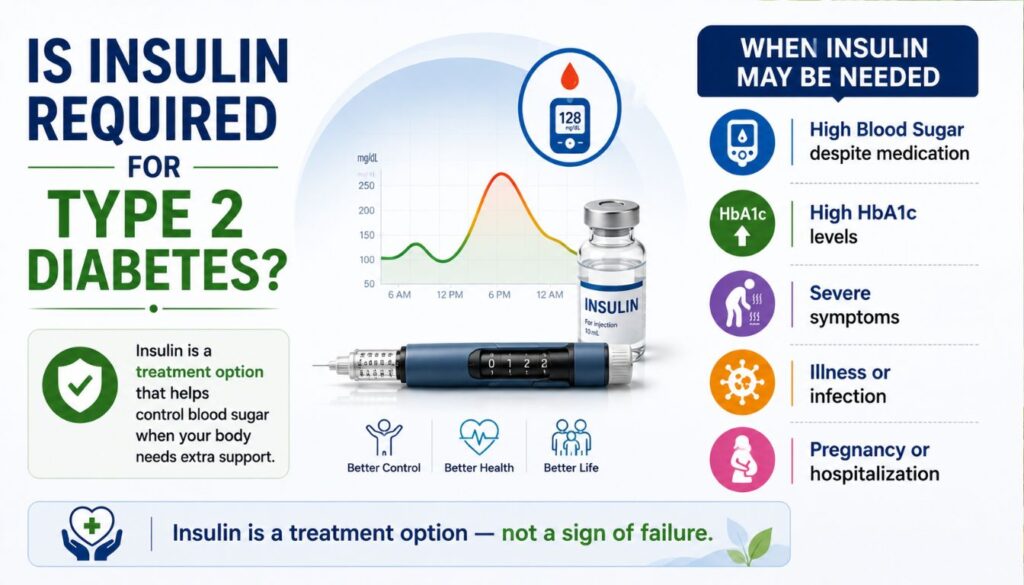
In reality, insulin is simply another treatment option that helps control blood sugar when the body’s natural insulin production is no longer sufficient.
Your doctor may recommend insulin if:
- Blood sugar levels remain very high despite oral medications
- HbA1c remains significantly above target
- Symptoms such as weight loss and fatigue become severe
- Serious infections develop
- Hospitalization is required
- Pregnancy occurs
- The pancreas can no longer produce enough insulin
For some patients, insulin is temporary and may only be required during illness or periods of poor glucose control. Others may need long-term insulin therapy.
Modern insulin devices are easier to use than ever before, and many patients find that insulin helps them feel better and achieve healthier blood sugar levels.
The decision to start insulin should always be based on medical evaluation rather than fear or misconceptions.
Managing Diabetes with an Indian Diet
One of the first questions patients ask after diagnosis is:
“What can I eat now?”
The good news is that diabetes does not mean giving up Indian food. Successful diabetes management focuses on making smarter food choices rather than eliminating entire food groups.
Indian diets are often rich in carbohydrates, which can significantly influence blood sugar levels. Learning how different foods affect glucose is an important part of treatment.
Building a Balanced Plate
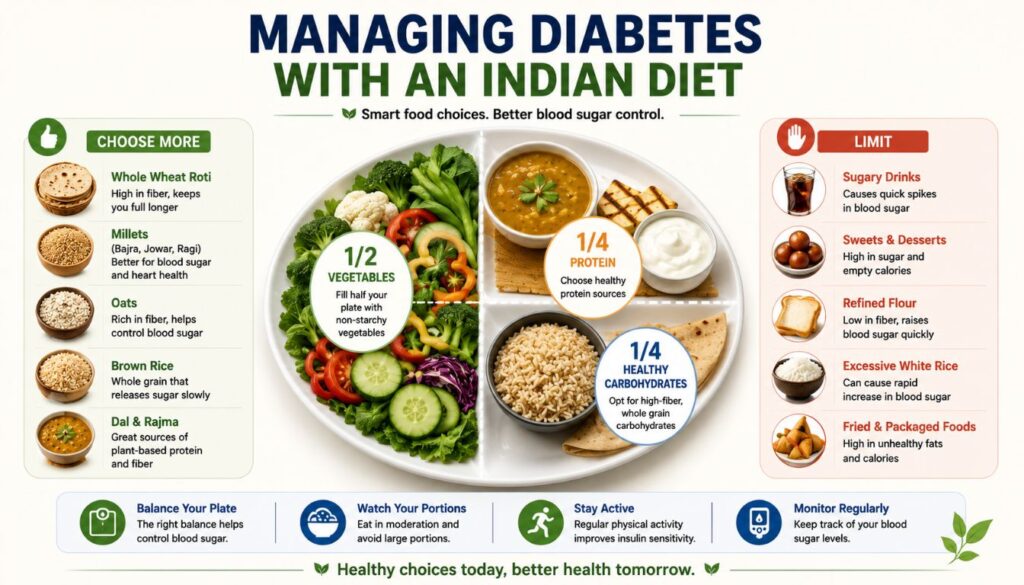
A simple approach is to divide the plate into sections:
- Half the plate should contain vegetables.
- One quarter should contain protein.
- One quarter should contain healthy carbohydrates.
This method helps improve satiety and reduce post-meal blood sugar spikes.
Choosing Better Carbohydrates
Not all carbohydrates affect blood sugar equally.
Healthier choices include:
- Whole wheat roti
- Millets such as bajra and jowar
- Oats
- Brown rice
- Quinoa
- High-fiber grains
These foods digest more slowly and cause a more gradual increase in blood sugar.
The Importance of Protein
Protein helps control hunger and slows glucose absorption.
Good protein sources include:
- Dal
- Chana
- Rajma
- Paneer
- Eggs
- Fish
- Chicken
- Soy products
Including protein with each meal can improve blood sugar stability throughout the day.
Foods to Limit
Many common foods can cause rapid spikes in blood sugar.
These include:
- Sugary beverages
- Sweets and desserts
- Refined flour products
- Excessive white rice
- Packaged snacks
- Deep-fried foods
The goal is not complete avoidance but moderation and portion control.
Can Type 2 Diabetes Be Reversed?
Many patients search for ways to reverse diabetes after diagnosis.
While there is currently no permanent cure for type 2 diabetes, some individuals can achieve remission through substantial lifestyle changes.
Significant weight loss, improved eating habits, increased physical activity, and medical supervision may help some people maintain normal blood sugar levels without medication for extended periods.
However, remission does not mean diabetes is cured. Ongoing monitoring remains essential because blood sugar levels can rise again if healthy habits are not maintained.
Monitoring Your Diabetes HbA1c & Blood Sugar Tests
One of the biggest mistakes people make after starting diabetes treatment is assuming that medication alone is enough. Successful diabetes management requires regular monitoring because blood sugar levels can change over time due to diet, physical activity, stress, illness, weight changes, and medication adjustments.
Monitoring helps doctors understand whether your current treatment plan is working and allows problems to be identified before serious complications develop.
Understanding HbA1c
HbA1c is one of the most important tests for people with type 2 diabetes. Unlike a single blood sugar reading, HbA1c measures your average blood sugar levels over the previous two to three months.
| HbA1c Level | Interpretation |
| Below 5.7% | Normal |
| 5.7%–6.4% | Prediabetes |
| 6.5% or Above | Diabetes |
For many adults with diabetes, doctors aim for an HbA1c level below 7%, although targets may vary depending on age, overall health, and existing medical conditions.
Most patients should have an HbA1c test:
- Every 3 months if diabetes is not well controlled
- Every 6 months if blood sugar levels remain stable
Home Blood Sugar Monitoring
Many patients benefit from checking blood sugar at home using a glucometer.
Common testing times include:
- Fasting blood sugar (before breakfast)
- Before meals
- Two hours after meals
- Bedtime
Home monitoring helps identify patterns and provides valuable information for treatment adjustments.
Why Regular Monitoring Matters
Routine monitoring can help:
- Detect rising blood sugar early
- Prevent long-term complications
- Improve medication effectiveness
- Reduce emergency hospital visits
- Improve overall quality of life
Patients who actively monitor their diabetes often achieve better long-term outcomes than those who rely solely on occasional testing.
Complications of Uncontrolled Type 2 Diabetes
Diabetes is often called a “silent disease” because damage can occur long before symptoms become obvious.
When blood sugar remains uncontrolled for years, it can affect nearly every organ in the body.
Heart Disease and Stroke
One of the most serious complications of diabetes is cardiovascular disease.
People with diabetes have a significantly higher risk of:
- Heart attack
- Stroke
- High blood pressure
- Coronary artery disease
High blood sugar damages blood vessels over time, making them more prone to blockage and narrowing.
For this reason, diabetes patients should pay close attention to heart health and undergo regular screening when recommended.
Related Reading:
- Heart Attack Symptoms: The Complete Guide Early Signs, Women vs Men & What to Do
- 8 Early Signs of a Heart Attack You Should Never Ignore
- Heart Check-Up Cost in Jaipur & Chomu
Kidney Damage
The kidneys contain tiny blood vessels that filter waste products from the blood.
Persistent high blood sugar can damage these blood vessels, leading to diabetic kidney disease.
In advanced cases, kidney failure may occur, requiring dialysis or transplantation.
Regular kidney function testing is essential for long-term diabetes management.
Eye Problems
Diabetes can affect the small blood vessels in the eyes, causing diabetic retinopathy.
Symptoms may include:
- Blurred vision
- Difficulty seeing at night
- Vision loss
Annual eye examinations are strongly recommended for people with diabetes.
Nerve Damage
Diabetic neuropathy affects the nerves and is one of the most common diabetes complications.
Symptoms may include:
- Tingling sensations
- Burning pain
- Numbness
- Reduced sensation in the feet
If left untreated, nerve damage can increase the risk of foot ulcers and infections.
Slow Wound Healing
High blood sugar affects circulation and the body’s ability to repair tissue.
As a result, cuts, wounds, and infections may take longer to heal.
Prompt treatment of foot injuries and skin infections is especially important for diabetes patients.
Why Early Treatment Matters
Many people delay treatment because they do not feel seriously ill. Unfortunately, diabetes can damage organs silently for years before obvious symptoms appear.
Starting treatment early offers several benefits:
- Better blood sugar control
- Lower risk of heart disease
- Reduced risk of kidney damage
- Better energy levels
- Improved quality of life
- Reduced healthcare expenses over time
The earlier diabetes is managed, the greater the opportunity to prevent complications and preserve long-term health.
Diabetes Treatment at CMCH Chomu & Jaipur
Managing diabetes requires ongoing support, regular monitoring, and access to reliable healthcare services.
CMCH provides comprehensive diabetes care for patients from Chomu, Jaipur, Govindgarh, Reengus, and the Jaipur-Sikar Road corridor.
Our goal is not only to treat diabetes but also to help patients prevent complications and maintain healthy, active lives.
Diabetes Services Available at CMCH
Patients can access:
- Diabetes specialist consultations
- Fasting blood sugar testing
- Random blood sugar testing
- HbA1c testing
- Lifestyle and nutrition counseling
- Diabetes medication management
- Preventive health check-ups
- Complication screening
- Cardiology referrals when required
Because diabetes and heart disease are closely connected, patients may also benefit from cardiac evaluations and preventive screenings when recommended by their healthcare provider.
Book a Diabetes Consultation
If you have been diagnosed with diabetes, have abnormal blood sugar readings, or are experiencing symptoms such as excessive thirst, frequent urination, unexplained fatigue, or blurred vision, early medical evaluation is important.
A diabetes consultation can help:
- Confirm your diagnosis
- Assess your risk factors
- Create a personalized treatment plan
- Prevent future complications
Early intervention remains one of the most effective ways to protect your long-term health.
Conclusion
Type 2 diabetes is a lifelong condition, but it does not have to limit your quality of life. With the right combination of healthy eating, regular exercise, weight management, medications, routine monitoring, and medical support, most people can successfully manage their blood sugar levels and reduce the risk of complications.
Modern type 2 diabetes mellitus treatment focuses on more than simply lowering blood sugar. The goal is to protect the heart, kidneys, eyes, nerves, and overall health while helping patients maintain an active and productive lifestyle.
If you have risk factors for diabetes, abnormal blood sugar readings, or a confirmed diagnosis, seeking professional medical advice early can make a significant difference in your long-term health outcomes.
Frequently Asked Questions
What is the first-line treatment for type 2 diabetes?
Lifestyle changes combined with metformin are typically the first-line treatment for most patients with type 2 diabetes.
Is metformin safe for long-term use?
For many patients, metformin is considered safe and effective for long-term diabetes management when prescribed by a doctor.
Can type 2 diabetes be reversed?
Some individuals may achieve diabetes remission through significant weight loss, improved nutrition, regular exercise, and medical supervision. However, ongoing monitoring remains essential.
When should insulin be started in type 2 diabetes?
Insulin may be recommended when blood sugar remains uncontrolled despite lifestyle changes and oral medications or when the body can no longer produce enough insulin.
How often should HbA1c be checked?
Most patients should have HbA1c tested every 3–6 months depending on their blood sugar control and treatment plan.
What foods should people with diabetes avoid?
Sugary beverages, sweets, refined carbohydrates, excessive fried foods, and highly processed snacks should be limited.
Can diabetes affect the heart?
Yes. Diabetes significantly increases the risk of heart disease, stroke, and other cardiovascular complications.
When should I see a diabetes specialist?
You should consult a specialist if you have elevated blood sugar levels, symptoms of diabetes, a family history of diabetes, or difficulty controlling your blood sugar despite treatment.


0 Comments