Blood sugar plays a vital role in keeping your body healthy. Every cell in your body depends on glucose for energy, but maintaining the right balance is essential. When blood sugar levels become too high or too low, they can affect how your body functions and, over time, increase the risk of serious health problems.
Many people search for “what is a healthy blood sugar range“ after receiving a blood sugar test report or being diagnosed with diabetes or prediabetes. While laboratory reports provide numbers, understanding what those numbers actually mean is equally important. Knowing your fasting blood sugar, post-meal glucose, and HbA1c level helps you understand how well your body is regulating glucose and whether lifestyle changes or medical treatment may be required.
A healthy blood sugar range varies depending on when the test is performed. Blood sugar naturally rises after meals and gradually returns to normal as insulin helps move glucose from the bloodstream into the body’s cells. Because of these natural changes, healthcare providers evaluate blood sugar using different tests, including fasting blood sugar, post-meal blood sugar, random blood sugar, and HbA1c.
In this guide, we’ll explain what each blood sugar measurement means, why it matters, and how understanding these values can help you manage your health more effectively. If you’re looking for a detailed reference chart, you can also read our Sugar Level Normal Range: Complete Chart by Age, Gender & Health Condition, which provides a comprehensive breakdown of normal blood sugar values for different situations.
Why Blood Sugar Range Matters A Simple Explanation
Blood sugar, also called blood glucose, is the amount of glucose circulating in your bloodstream at any given time. Glucose comes primarily from the carbohydrates you eat and serves as the body’s main source of energy.
After eating, carbohydrates are broken down into glucose and absorbed into the bloodstream. In response, the pancreas releases insulin, a hormone that allows glucose to enter cells where it is used for energy or stored for later use.
When this process works properly, blood sugar remains within a healthy range. However, if the body does not produce enough insulin or cannot use insulin effectively—a condition known as insulin resistance—glucose begins to accumulate in the bloodstream.
Persistently high blood sugar can gradually damage blood vessels and nerves throughout the body. Over time, uncontrolled diabetes may lead to complications affecting the heart, kidneys, eyes, brain, and feet.
On the other hand, blood sugar that falls too low can deprive the brain and muscles of the energy they need to function properly. This can result in dizziness, confusion, weakness, or even loss of consciousness if not treated promptly.
Maintaining a healthy blood sugar range is therefore essential not only for diabetes management but also for protecting your overall health and reducing the risk of long-term complications.
What Is a Healthy Fasting Blood Sugar Level?
A fasting blood sugar test measures your glucose level after you have not eaten or consumed calorie-containing beverages for at least 8 to 10 hours. It is one of the most commonly used tests to screen for diabetes and prediabetes because it shows how your body regulates blood sugar in its resting state.
Healthy Fasting Blood Sugar Levels
| Result | Fasting Blood Sugar |
| Normal | 70–99 mg/dL |
| Prediabetes | 100–125 mg/dL |
| Diabetes | 126 mg/dL or higher (on two separate tests) |
A normal fasting glucose level indicates that your body is producing enough insulin and using it effectively to maintain stable blood sugar overnight.
If fasting blood sugar is consistently above the normal range, it may suggest insulin resistance or early diabetes. Identifying these changes early allows individuals to make lifestyle modifications that can delay or even prevent the progression to type 2 diabetes.
It is important to remember that a single elevated fasting reading does not always confirm diabetes. Factors such as illness, stress, certain medications, or poor sleep may temporarily increase blood sugar levels. Your doctor may recommend repeating the test or performing additional investigations, such as an HbA1c test, for a more accurate assessment.
Post-Meal (Postprandial) Blood Sugar What’s Normal?
Blood sugar naturally rises after eating because carbohydrates are converted into glucose during digestion. A post-meal blood sugar test, also called a postprandial glucose test, measures blood sugar approximately two hours after the start of a meal.
This test helps evaluate how efficiently your body responds to food and how well insulin controls the increase in blood sugar after eating.
Healthy Post-Meal Blood Sugar Levels
| Result | Two Hours After Meals |
| Normal | Below 140 mg/dL |
| Prediabetes | 140–199 mg/dL |
| Diabetes | 200 mg/dL or higher |
For people without diabetes, insulin usually brings blood sugar back to normal within two hours after a meal. However, in individuals with diabetes or insulin resistance, glucose may remain elevated for a longer period.
Frequent post-meal blood sugar spikes can increase the risk of cardiovascular disease and contribute to long-term complications. This is why healthcare professionals often recommend a balanced diet, portion control, regular physical activity, and appropriate medications to reduce postprandial glucose levels.
Simple lifestyle habits such as taking a 20–30 minute walk after meals, choosing whole grains over refined carbohydrates, and including protein with every meal can significantly improve post-meal blood sugar control.
What Is HbA1c?
Unlike fasting or post-meal blood sugar tests, HbA1c provides a picture of your average blood sugar level over the previous two to three months.
Glucose naturally attaches to haemoglobin, a protein found inside red blood cells. Because red blood cells typically live for around 120 days, measuring the percentage of glucose attached to haemoglobin gives doctors an estimate of your average blood sugar over the past three months.
For this reason, HbA1c is considered one of the most reliable tests for diagnosing and monitoring diabetes.
HbA1c Categories
| HbA1c Result | Meaning |
| Below 5.7% | Normal |
| 5.7% – 6.4% | Prediabetes |
| 6.5% or higher | Diabetes |
For many people with diabetes, healthcare providers aim for an HbA1c target of below 7%, although individual goals may vary depending on age, overall health, pregnancy, and other medical conditions.
HbA1c is particularly useful because it is not significantly affected by what you ate on the day of testing. Instead, it reflects your long-term blood sugar control and helps doctors evaluate whether your current treatment plan is working effectively.
Regular HbA1c monitoring, along with routine blood glucose testing, enables timely adjustments to medications, diet, and lifestyle habits before complications develop.
Target Blood Sugar Ranges for Diabetics
People living with diabetes usually have different blood sugar targets than individuals without diabetes. These targets are designed to keep blood sugar within a safe range while reducing the risk of both high and low blood sugar episodes.
However, target values may vary depending on age, pregnancy, medications, existing health conditions, and your doctor’s recommendations.
Recommended Blood Sugar Targets for Most Adults with Diabetes
| Test | Target Range |
| Before Meals (Fasting/Pre-meal) | 80–130 mg/dL |
| Two Hours After Meals | Below 180 mg/dL |
| HbA1c | Below 7% (for most adults) |
For older adults, children, pregnant women, or individuals with certain medical conditions, healthcare providers may recommend different targets based on individual health needs.
Rather than aiming for perfect numbers every day, the goal is to maintain consistent blood sugar control over time. Small fluctuations are normal, but frequent high or low readings should be discussed with a healthcare professional.
Maintaining blood sugar within your target range can help reduce the risk of diabetes-related complications, improve energy levels, and support long-term health.
Symptoms of High vs Low Blood Sugar
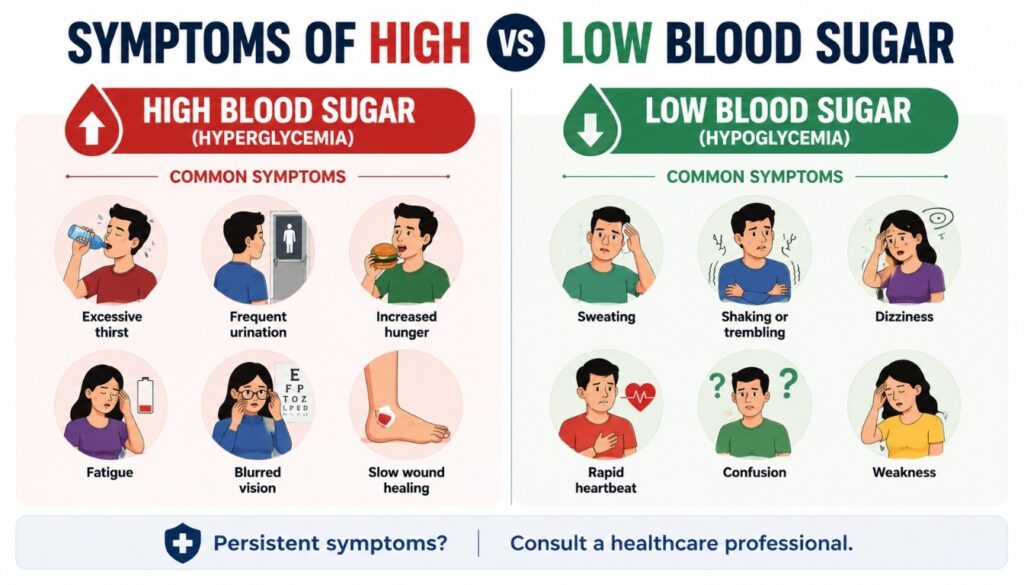
Recognizing the symptoms of abnormal blood sugar levels can help you take timely action and prevent serious complications.
Symptoms of High Blood Sugar (Hyperglycemia)
Hyperglycemia occurs when there is too much glucose in the bloodstream. This may happen because the body does not produce enough insulin or cannot use insulin effectively.
Common symptoms include:
- Excessive thirst
- Frequent urination
- Increased hunger
- Fatigue
- Blurred vision
- Dry mouth
- Slow wound healing
- Recurrent skin or urinary infections
- Unexplained weight loss
If high blood sugar remains untreated for a prolonged period, it can damage blood vessels and nerves, increasing the risk of heart disease, kidney disease, vision loss, and diabetic neuropathy.
Symptoms of Low Blood Sugar (Hypoglycemia)
Hypoglycemia occurs when blood sugar falls below normal levels. It is more common in people taking insulin or certain diabetes medications.
Common symptoms include:
- Sweating
- Shaking or trembling
- Dizziness
- Rapid heartbeat
- Sudden hunger
- Weakness
- Irritability
- Confusion
- Difficulty concentrating
- Headache
If blood sugar continues to fall, it may lead to seizures, unconsciousness, or medical emergencies. Anyone experiencing severe symptoms should seek immediate medical attention.
How Often Should You Test Your Blood Sugar?
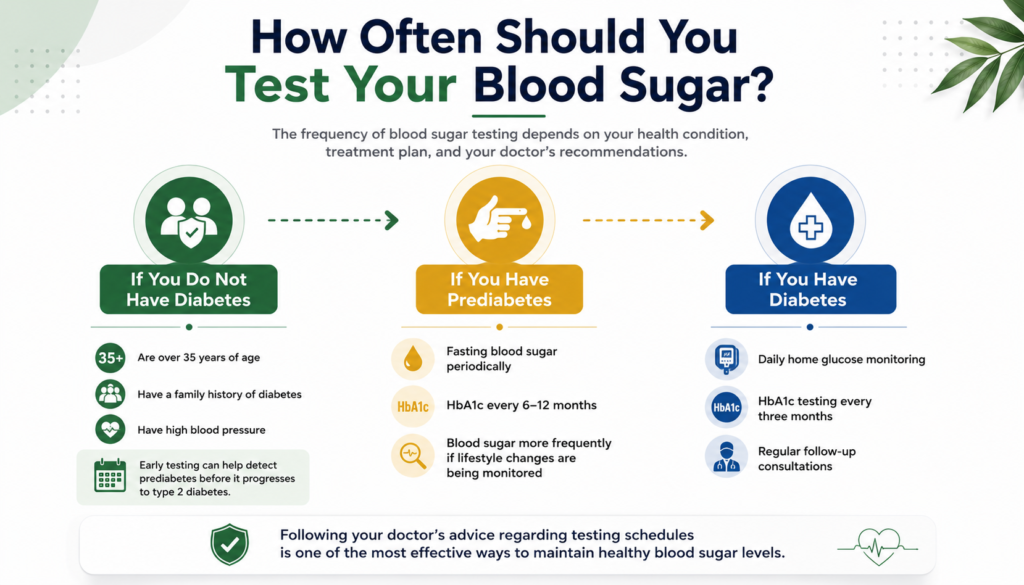
The frequency of blood sugar testing depends on your health condition, treatment plan, and your doctor’s recommendations.
If You Do Not Have Diabetes
Routine screening is generally recommended if you:
- Are over 35 years of age
- Have a family history of diabetes
- Are overweight or obese
- Have high blood pressure
- Have high cholesterol
- Have polycystic ovary syndrome (PCOS)
- Lead a sedentary lifestyle
Early testing can help detect prediabetes before it progresses to type 2 diabetes.
If You Have Prediabetes
Your doctor may recommend checking:
- Fasting blood sugar periodically
- HbA1c every 6–12 months
- Blood sugar more frequently if lifestyle changes are being monitored
If You Have Diabetes
The frequency of testing depends on whether you are managing diabetes with lifestyle changes, oral medications, or insulin.
Many patients may need:
- Daily home glucose monitoring
- HbA1c testing every three months
- Regular follow-up consultations
Following your doctor’s advice regarding testing schedules is one of the most effective ways to maintain healthy blood sugar levels.
When Should You Consult a Doctor?
You should seek medical advice if you experience:
- Fasting blood sugar consistently above 100 mg/dL
- Two-hour post-meal blood sugar consistently above 140 mg/dL
- Frequent episodes of low blood sugar
- Excessive thirst or urination
- Persistent fatigue
- Blurred vision
- Slow wound healing
- Sudden unexplained weight loss
Early medical evaluation allows diabetes to be diagnosed and treated before serious complications develop.
Get Tested at CMCH Diabetes Care in Chomu
Regular blood sugar monitoring is one of the most effective ways to detect diabetes early and manage it successfully.
At CMCH we provide comprehensive diabetes screening and management services for patients from Chomu, Jaipur, Govindgarh, Reengus, Shahpura, and the Jaipur–Sikar Road corridor.
Our Diabetes Care Services Include:
- Fasting Blood Sugar (FBS) Test
- Post-Meal Blood Sugar (PPBS) Test
- Random Blood Sugar Test
- HbA1c Testing
- Diabetes Risk Assessment
- Physician Consultation
- Personalized Diet & Lifestyle Counseling
- Long-Term Diabetes Management
- Preventive Health Check-ups
Our experienced healthcare team works closely with patients to develop individualized treatment plans that focus on healthy lifestyle changes, medication management, and regular monitoring for better long-term outcomes.
If you are experiencing symptoms of diabetes or have risk factors such as obesity, hypertension, or a family history of diabetes, scheduling a diabetes evaluation can help you take control of your health before complications occur.
Related Resources (Recommended for This Blood Sugar Blog)
Continue Learning About Diabetes & Heart Health
Maintaining a healthy blood sugar range is an important step toward preventing diabetes-related complications. Explore these expert guides from the CMCH Health Blog to learn more about diabetes, heart health, and preventive care:
- Sugar Level Normal Range: Complete Chart by Age, Gender & Health Condition – Understand fasting, post-meal, and random blood sugar values with a detailed reference chart.
- Type 2 Diabetes Treatment in India: Medications, Lifestyle Changes & When to See a Doctor – Learn about diabetes medications, insulin therapy, exercise, and long-term blood sugar management.
- Diabetic Diet Plan for Indians: A 7-Day Meal Plan with Regional Foods – Discover a practical Indian meal plan, portion control tips, and diabetic-friendly foods for healthier glucose management.
- Heart Check-Up Cost in Jaipur & Chomu: Packages, What’s Included & Why It Matters – Regular heart screenings are especially important for people living with diabetes, as they have a higher risk of cardiovascular disease.
- ECG Test in Chomu & Jaipur: Cost, Preparation & What to Expect – Learn when an ECG is recommended and how it helps detect heart conditions associated with diabetes.
Explore more expert health guides on the CMCH Health Blog for trusted medical information and preventive healthcare advice.
Conclusion
Maintaining a healthy blood sugar range is one of the most important aspects of preventing and managing diabetes. Understanding what fasting blood sugar, post-meal glucose, and HbA1c values represent allows you to monitor your health more effectively and recognize when medical attention may be needed.
Healthy blood sugar management involves more than simply checking numbers. A balanced diet, regular physical activity, maintaining a healthy weight, taking prescribed medications when necessary, and routine blood sugar monitoring all play an important role in long-term diabetes care.
Whether you are monitoring your health, living with prediabetes, or managing diabetes, regular screening and early intervention can help reduce the risk of complications and improve your quality of life.
If you have concerns about your blood sugar levels or are experiencing symptoms of diabetes, consult a qualified healthcare professional for proper evaluation and personalized guidance.
Frequently Asked Questions (FAQs)
What is a healthy blood sugar range?
For most healthy adults, fasting blood sugar between 70–99 mg/dL and blood sugar below 140 mg/dL two hours after meals is considered normal.
What is a normal fasting blood sugar level?
A healthy fasting blood sugar level is generally 70–99 mg/dL after fasting for at least 8 hours.
What should blood sugar be two hours after eating?
For people without diabetes, blood sugar should usually be below 140 mg/dL two hours after the start of a meal.
What is HbA1c?
HbA1c is a blood test that measures your average blood sugar level over the previous two to three months and helps diagnose and monitor diabetes.
What HbA1c level indicates diabetes?
An HbA1c level of 6.5% or higher is generally used as one of the diagnostic criteria for diabetes.
What are the symptoms of high blood sugar?
Common symptoms include excessive thirst, frequent urination, fatigue, blurred vision, increased hunger, and slow wound healing.
What are the symptoms of low blood sugar?
Low blood sugar may cause sweating, shaking, dizziness, weakness, confusion, rapid heartbeat, and hunger.
How often should I check my blood sugar?
Testing frequency depends on your health condition, medications, and your doctor’s advice. People with diabetes often require more frequent monitoring than those without diabetes.
Can healthy people have temporary high blood sugar?
Yes. Stress, illness, certain medications, poor sleep, or consuming a very large meal may temporarily raise blood sugar levels. Persistent elevation, however, should be evaluated by a healthcare professional.
Where can I get my blood sugar tested in Chomu?
CMCH – Dr. CM Chopra Hospital offers fasting blood sugar, post-meal blood sugar, HbA1c testing, diabetes screening, physician consultations, and comprehensive diabetes care for patients in Chomu and nearby areas.



0 Comments