Blood sugar is one of the most important indicators of your overall health. Whether you’re trying to prevent diabetes, monitor an existing condition, or understand your health check-up report, knowing the sugar level normal range can help you make informed decisions about your health.
Many people only start paying attention to their blood sugar levels after being diagnosed with diabetes. However, abnormal blood sugar often develops gradually over several years before symptoms become noticeable. Early monitoring can help detect problems before they lead to serious complications.
Understanding your blood sugar normal range is essential because consistently high or low glucose levels can affect almost every organ in the body, including the heart, kidneys, eyes, nerves, and blood vessels.
In this comprehensive guide, you’ll learn:
Normal blood sugar levels by age and health condition
Fasting and post-meal sugar ranges
HbA1c normal values
Blood sugar charts in both mg/dL and mmol/L
Sugar levels for children, adults, elderly individuals, and pregnant women
Factors that affect blood sugar readings
When you should get tested
Diabetes screening and testing services at CMCH Hospital Chomu.
What Is a Normal Blood Sugar Level?
Blood sugar, also known as blood glucose, refers to the amount of sugar circulating in your bloodstream at any given time. Glucose is the body’s primary source of energy and comes mainly from the food you eat.
Your body carefully regulates blood sugar levels using hormones such as insulin and glucagon. When this balance is disrupted, blood sugar can become too high (hyperglycemia) or too low (hypoglycemia).
For most healthy adults, the normal range of sugar level depends on when the test is performed.
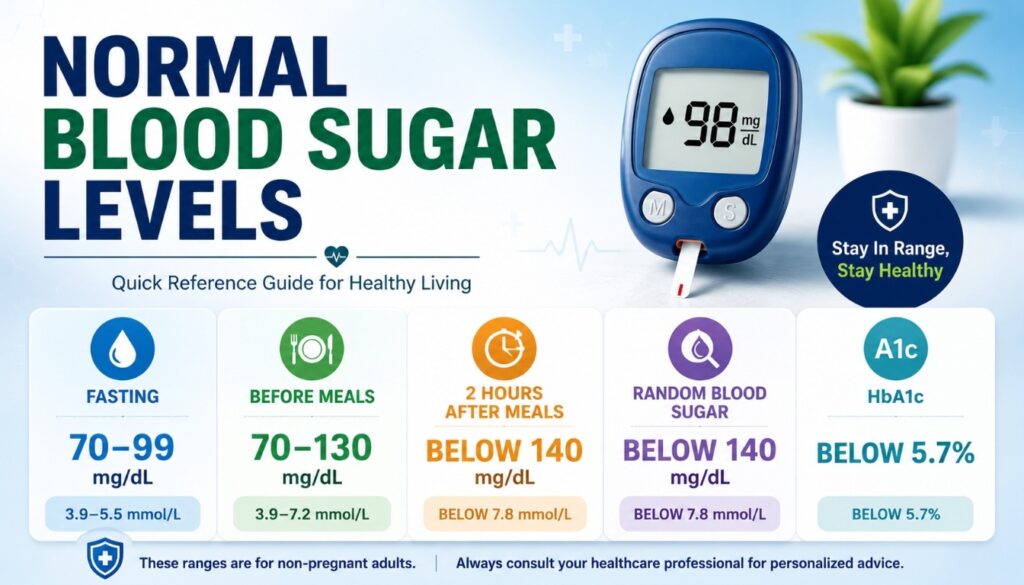
Normal Blood Sugar Reference Chart
| Test Type | Normal Range (mg/dL) | Normal Range (mmol/L) |
| Fasting Blood Sugar | 70–99 | 3.9–5.5 |
| Before Meals | 70–130 | 3.9–7.2 |
| 2 Hours After Meals | Below 140 | Below 7.8 |
| Random Blood Sugar | Below 140 | Below 7.8 |
| HbA1c | Below 5.7% | Below 5.7% |
These values are generally accepted by major diabetes organizations worldwide.
Why Knowing Your Sugar Level Matters
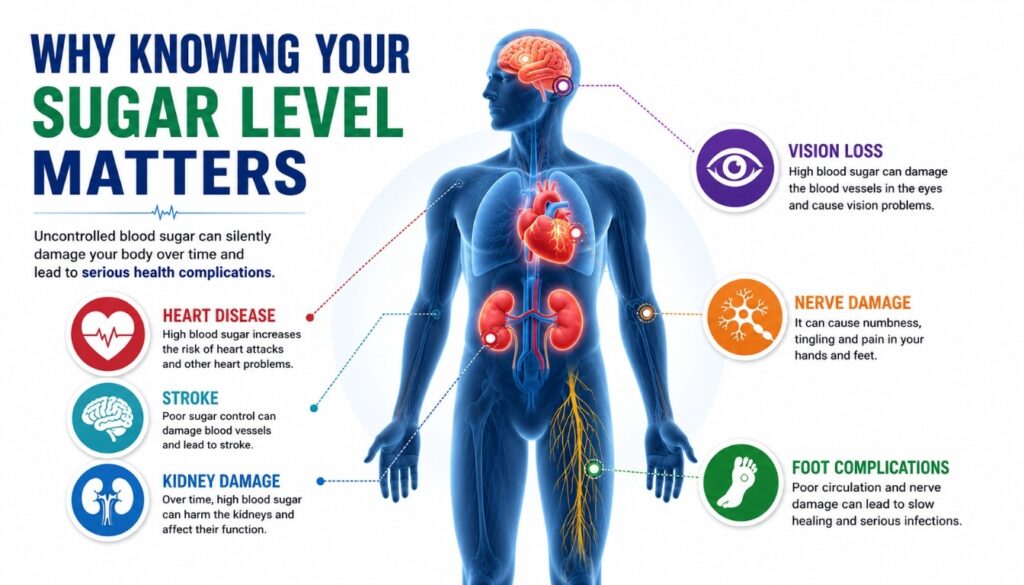
Many people believe diabetes only affects blood sugar. In reality, uncontrolled glucose levels can affect multiple organs throughout the body.
High blood sugar levels over time can increase the risk of:
- Heart disease
- Stroke
- Kidney damage
- Nerve problems
- Vision loss
- Slow wound healing
- Foot complications
Even individuals who feel healthy can have elevated blood sugar without noticeable symptoms.
This is why routine diabetes screening is important, especially for adults above 35 years of age and people with risk factors such as obesity, high blood pressure, or family history of diabetes.
High blood sugar can increase the risk of serious cardiovascular complications. Learn more about the relationship between diabetes and heart health in our guide on Heart Attack Symptoms: The Complete Guide Early Signs, Women vs Men & What to Do.
Sugar Level Normal Range Chart By Age & Condition
Blood sugar targets may vary slightly depending on age, pregnancy status, and whether a person has diabetes.
The following chart provides a general overview of normal blood glucose levels across different health conditions.
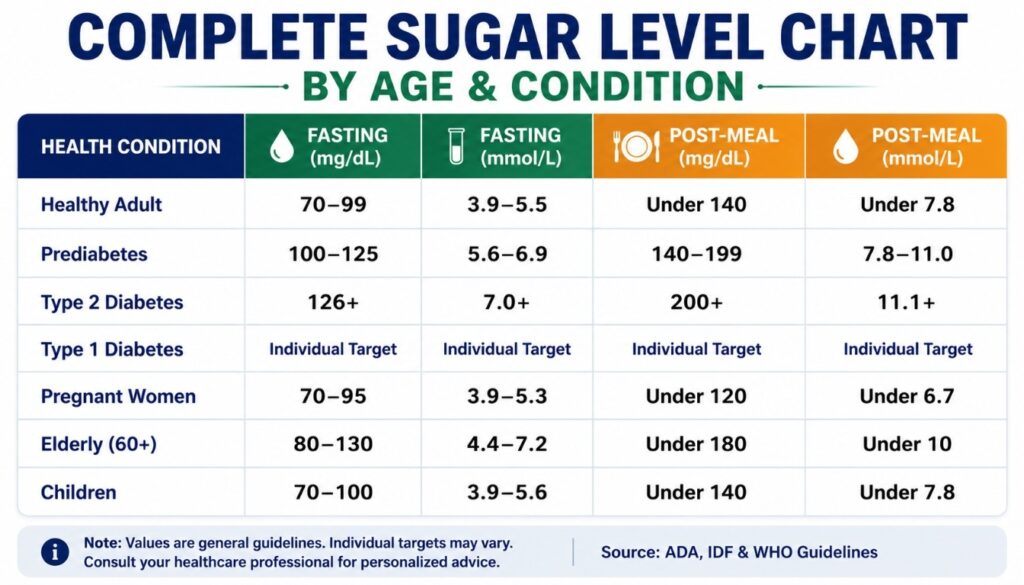
Complete Sugar Level Chart by Age & Condition
| Health Condition | Fasting (mg/dL) | Fasting (mmol/L) | Post-Meal (mg/dL) | Post-Meal (mmol/L) |
| Healthy Adult | 70–99 | 3.9–5.5 | Under 140 | Under 7.8 |
| Prediabetes | 100–125 | 5.6–6.9 | 140–199 | 7.8–11.0 |
| Type 2 Diabetes | 126+ | 7.0+ | 200+ | 11.1+ |
| Type 1 Diabetes | Individual Target | Individual Target | Individual Target | Individual Target |
| Pregnant Women | 70–95 | 3.9–5.3 | Under 120 | Under 6.7 |
| Elderly (60+) | 80–130 | 4.4–7.2 | Under 180 | Under 10 |
| Children | 70–100 | 3.9–5.6 | Under 140 | Under 7.8 |
These targets are general guidelines. Your doctor may recommend slightly different goals depending on your medical history and treatment plan.
Understanding Blood Sugar Units: mg/dL vs mmol/L
If you’ve searched for blood sugar information online, you’ve probably noticed two different units being used.
What Is mg/dL?
mg/dL stands for milligrams per deciliter.
This is the most commonly used unit in:
- India
- United States
- Several Asian countries
Most Indian laboratory reports display glucose values in mg/dL.
What Is mmol/L?
mmol/L stands for millimoles per liter.
This unit is commonly used in:
- United Kingdom
- Canada
- Australia
- Many European countries
Quick Conversion Chart
| mg/dL | mmol/L |
| 70 | 3.9 |
| 90 | 5.0 |
| 100 | 5.6 |
| 126 | 7.0 |
| 140 | 7.8 |
| 200 | 11.1 |
Understanding both units helps when comparing international health resources or reading reports from different countries.
Fasting vs Post Meal Sugar Levels — What’s Normal?
One of the most common questions patients ask is:
“Why is my fasting sugar different from my post-meal sugar?”
The answer is simple: blood sugar naturally changes throughout the day depending on food intake, physical activity, stress, and other factors.
What Is Fasting Blood Sugar?
Fasting blood sugar is measured after:
- Not eating for 8–12 hours
- Usually tested early in the morning
Since food does not influence the result, fasting glucose is considered one of the most reliable tests for diabetes screening.
Fasting Blood Sugar Normal Range
| Category | mg/dL | mmol/L |
| Normal | 70–99 | 3.9–5.5 |
| Prediabetes | 100–125 | 5.6–6.9 |
| Diabetes | 126 or higher | 7.0 or higher |
A fasting blood sugar above the normal range does not always mean diabetes, but it should be evaluated by a healthcare professional.
What Is Post-Meal Blood Sugar?
Post-meal blood sugar, also called postprandial blood sugar, is usually measured two hours after eating.
This test helps determine how efficiently your body processes glucose after a meal.
Blood Sugar Level After Eating
| Category | mg/dL | mmol/L |
| Normal | Below 140 | Below 7.8 |
| Prediabetes | 140–199 | 7.8–11.0 |
| Diabetes | 200+ | 11.1+ |
Post-meal testing is particularly useful for:
- Diagnosing diabetes
- Monitoring diabetes treatment
- Assessing dietary impact on glucose levels
What Is the Ideal Sugar Level Throughout the Day?
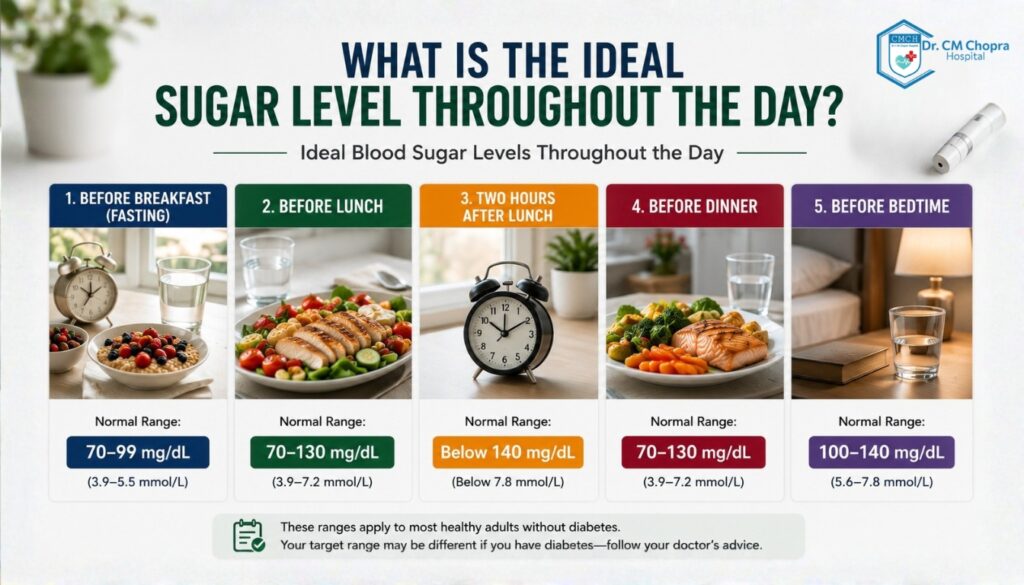
Blood sugar levels are not constant throughout the day. They naturally rise and fall depending on factors such as meals, physical activity, stress, sleep quality, medications, and overall health. Understanding how blood sugar changes during different times of the day can help you identify abnormal patterns early and maintain better glucose control.
For healthy individuals, blood sugar levels typically stay within a predictable range. However, consistently high or low readings may indicate insulin resistance, prediabetes, diabetes, or other metabolic conditions.
Monitoring your blood sugar at different times can provide valuable insights into how your body processes glucose and help your doctor recommend appropriate lifestyle changes or treatment if needed.
Ideal Blood Sugar Levels Throughout the Day
Before Breakfast (Fasting)
Normal Range: 70–99 mg/dL (3.9–5.5 mmol/L)
Fasting blood sugar is measured after 8–12 hours without eating, usually first thing in the morning. This is considered one of the most important glucose measurements because it reflects your body’s baseline blood sugar level without the influence of recent meals.
A fasting blood sugar level above 100 mg/dL may suggest insulin resistance or prediabetes, while levels above 126 mg/dL on multiple occasions may indicate diabetes.
Before Lunch
Normal Range: 70–130 mg/dL (3.9–7.2 mmol/L)
Before lunch, blood sugar levels should remain relatively stable if your body is effectively regulating glucose. This reading reflects how well your body maintains blood sugar between meals.
Consistently elevated pre-lunch readings may indicate:
- Poor glucose control
- Insulin resistance
- Inadequate diabetes management
- High-carbohydrate breakfast choices
Two Hours After Lunch
Normal Range: Below 140 mg/dL (Below 7.8 mmol/L)
Blood sugar naturally rises after eating because carbohydrates are broken down into glucose. In healthy individuals, insulin helps move glucose from the bloodstream into cells for energy, causing levels to return to normal within approximately two hours.
If blood sugar remains above 140 mg/dL two hours after eating, it may indicate:
- Prediabetes
- Diabetes
- Reduced insulin sensitivity
This reading is often used to evaluate how efficiently the body handles glucose after meals.
Before Dinner
Normal Range: 70–130 mg/dL (3.9–7.2 mmol/L)
By evening, blood sugar should stabilize again after lunch and daily activities. A healthy pre-dinner reading indicates that your body is effectively managing glucose throughout the afternoon.
Factors that may influence pre-dinner blood sugar include:
- Afternoon snacks
- Physical activity
- Stress levels
- Medication timing
Before Bedtime
Normal Range: 100–140 mg/dL (5.6–7.8 mmol/L)
A slightly higher blood sugar level before bedtime is generally acceptable because it helps reduce the risk of overnight hypoglycemia, especially in people taking diabetes medications or insulin.
Very high bedtime readings, however, may contribute to elevated fasting blood sugar the following morning and should be discussed with a healthcare professional.
Why Do Blood Sugar Levels Change During the Day?
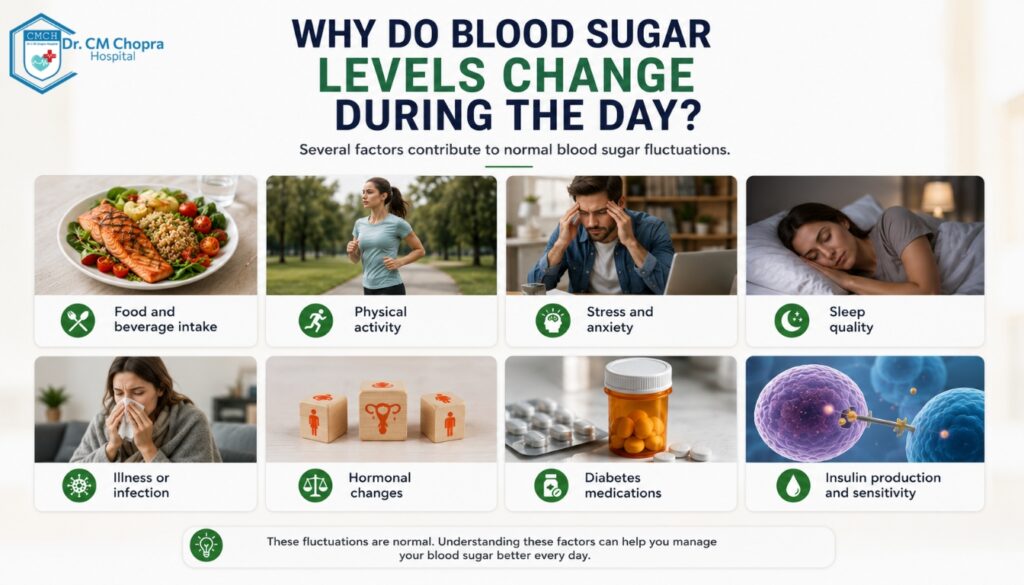
Several factors contribute to normal blood sugar fluctuations:
- Food and beverage intake
- Physical activity
- Stress and anxiety
- Sleep quality
- Illness or infection
- Hormonal changes
- Diabetes medications
- Insulin production and sensitivity
Small fluctuations are completely normal. However, persistent readings outside the recommended range should not be ignored.
When Should You Be Concerned?
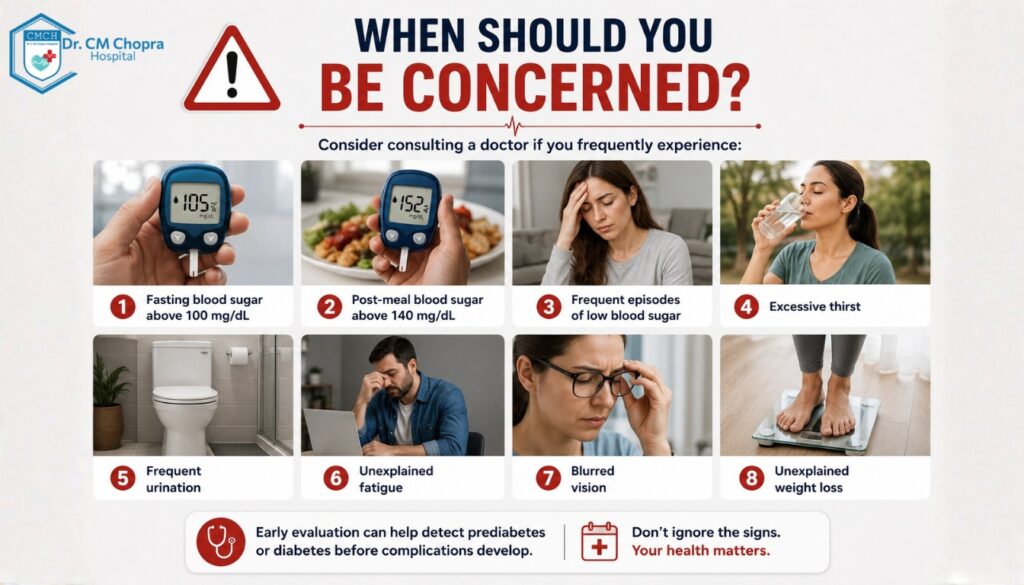
Consider consulting a doctor if you frequently experience:
- Fasting blood sugar above 100 mg/dL
- Post-meal blood sugar above 140 mg/dL
- Frequent episodes of low blood sugar
- Excessive thirst
- Frequent urination
- Unexplained fatigue
- Blurred vision
- Unexplained weight loss
Early evaluation can help detect prediabetes or diabetes before complications develop.
Key Takeaway
Healthy blood sugar levels naturally fluctuate throughout the day, but they generally remain within a predictable range. Regular monitoring can help identify abnormal patterns, support early diagnosis of diabetes, and improve long-term health outcomes. If your readings consistently fall outside the normal range, consider scheduling a diabetes screening and consultation with a healthcare professional.
What Is HbA1c and What’s a Healthy Range?
Unlike fasting blood sugar, which measures glucose at a specific moment, HbA1c (Glycated Hemoglobin) reflects your average blood sugar level over the previous 2–3 months.
HbA1c forms when glucose attaches to hemoglobin in red blood cells. Since red blood cells live for approximately 120 days, HbA1c provides a long-term picture of blood sugar control.
This test is widely used to:
- Diagnose diabetes
- Identify prediabetes
- Monitor treatment effectiveness
- Assess long-term diabetes management
HbA1c Normal Range Chart
| HbA1c (%) | Interpretation |
| Below 5.7% | Normal |
| 5.7% – 6.4% | Prediabetes |
| 6.5% or Above | Diabetes |
Estimated Average Blood Sugar Based on HbA1c
| HbA1c | Average Glucose (mg/dL) |
| 5% | 97 |
| 6% | 126 |
| 7% | 154 |
| 8% | 183 |
| 9% | 212 |
| 10% | 240 |
For most people with diabetes, doctors generally aim for an HbA1c below 7%, though targets may vary based on age and health conditions.
Sugar Levels in Children vs Adults vs Elderly
Blood sugar targets vary slightly across different age groups.
Sugar Levels in Children
Healthy children usually maintain:
| Test | Normal Range |
| Fasting | 70–100 mg/dL |
| Post-Meal | Under 140 mg/dL |
Children with Type 1 Diabetes require individualized monitoring plans and regular medical supervision.
Parents should consult a doctor if a child experiences:
- Excessive thirst
- Frequent urination
- Unexplained weight loss
- Persistent fatigue
Sugar Levels in Adults
Most healthy adults should aim for:
| Test | Normal Range |
| Fasting | 70–99 mg/dL |
| Post-Meal | Under 140 mg/dL |
| HbA1c | Below 5.7% |
Adults often develop elevated blood sugar due to:
- Sedentary lifestyle
- Obesity
- Stress
- Poor dietary habits
Routine screening becomes increasingly important after age 35.
Sugar Levels in Elderly Individuals (60+)
Older adults may have slightly higher glucose targets because very aggressive sugar control can increase the risk of hypoglycemia.
Typical targets include:
| Test | Recommended Target |
| Fasting | 80–130 mg/dL |
| Post-Meal | Under 180 mg/dL |
Treatment goals should always be personalized.
Sugar Levels During Pregnancy
Pregnancy creates hormonal changes that can affect insulin sensitivity.
Some women develop Gestational Diabetes, a temporary condition that increases blood sugar during pregnancy.
Regular monitoring helps protect both mother and baby.
Recommended Pregnancy Sugar Targets
| Test | Target |
| Fasting | Under 95 mg/dL |
| 1 Hour After Meal | Under 140 mg/dL |
| 2 Hours After Meal | Under 120 mg/dL |
Pregnant women are usually screened between 24 and 28 weeks of pregnancy.
Early diagnosis helps reduce complications such as:
- High birth weight
- Premature delivery
- Pregnancy complications
What Affects Your Blood Sugar Reading?
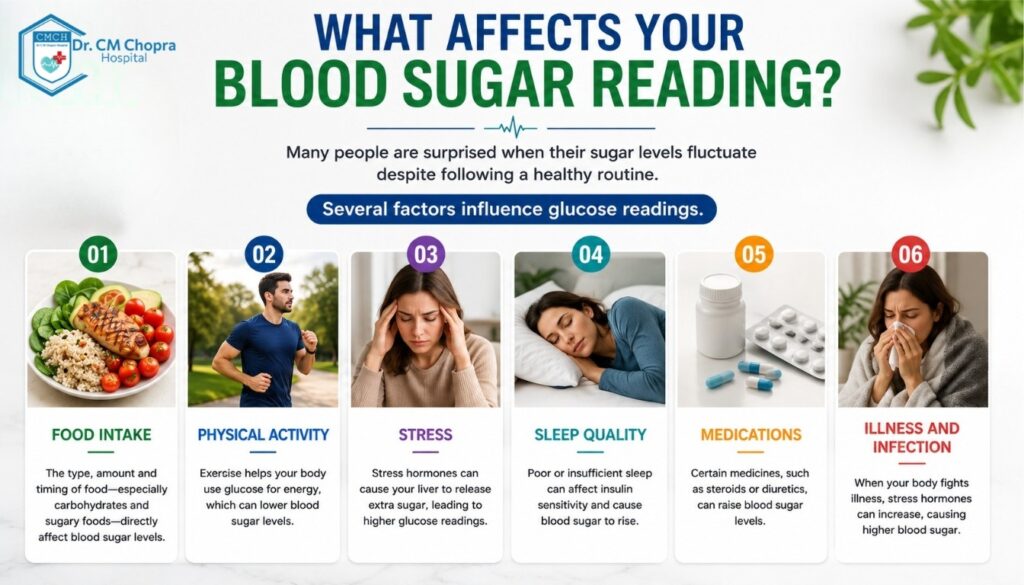
Many people are surprised when their sugar levels fluctuate despite following a healthy routine.
Several factors influence glucose readings.
1. Food Intake
Food has the biggest impact on blood sugar.
Foods that raise blood sugar quickly include:
- Sugary beverages
- White bread
- White rice
- Sweets
- Cakes
- Processed snacks
Healthier alternatives include:
- Whole grains
- Vegetables
- Lentils
- Nuts
- High-fiber foods
Balanced meals help maintain stable glucose levels.
2. Physical Activity
Exercise helps the body use glucose more efficiently.
Benefits include:
- Lower blood sugar
- Improved insulin sensitivity
- Better weight management
Even a daily 30-minute walk can make a significant difference.
3. Stress
Stress hormones such as cortisol and adrenaline can raise blood sugar levels.
Common stress triggers include:
- Work pressure
- Financial concerns
- Family issues
- Illness
- Anxiety
Many people notice higher readings during stressful periods even without dietary changes.
4. Sleep Quality
Poor sleep can:
- Increase insulin resistance
- Raise fasting glucose
- Increase diabetes risk
Adults should aim for 7–9 hours of quality sleep each night.
5. Medications
Certain medicines may affect glucose levels, including:
- Steroids
- Hormonal medications
- Some blood pressure medicines
Always discuss medication-related concerns with your doctor.
6. Illness and Infection
When you’re sick, the body releases stress hormones that may increase blood sugar.
Common examples include:
- Fever
- Viral infections
- Surgery recovery
- Chronic inflammation
This is why diabetic patients are often advised to monitor glucose more closely during illness.
Morning vs Evening Sugar Readings
Many patients ask:
“Should I test my sugar in the morning or evening?”
The answer depends on the purpose of testing.
Morning Blood Sugar Readings
Morning fasting readings are considered the most reliable because they are not influenced by recent meals.
Benefits:
- Best for diabetes screening
- Helps assess overnight glucose control
- Provides consistent comparison over time
Normal fasting range:
70–99 mg/dL
Evening Blood Sugar Readings
Evening readings may vary depending on:
- Food intake
- Physical activity
- Stress levels
- Medication timing
These readings are useful for understanding day-to-day glucose management but are less standardized than fasting tests.
Symptoms of High Blood Sugar
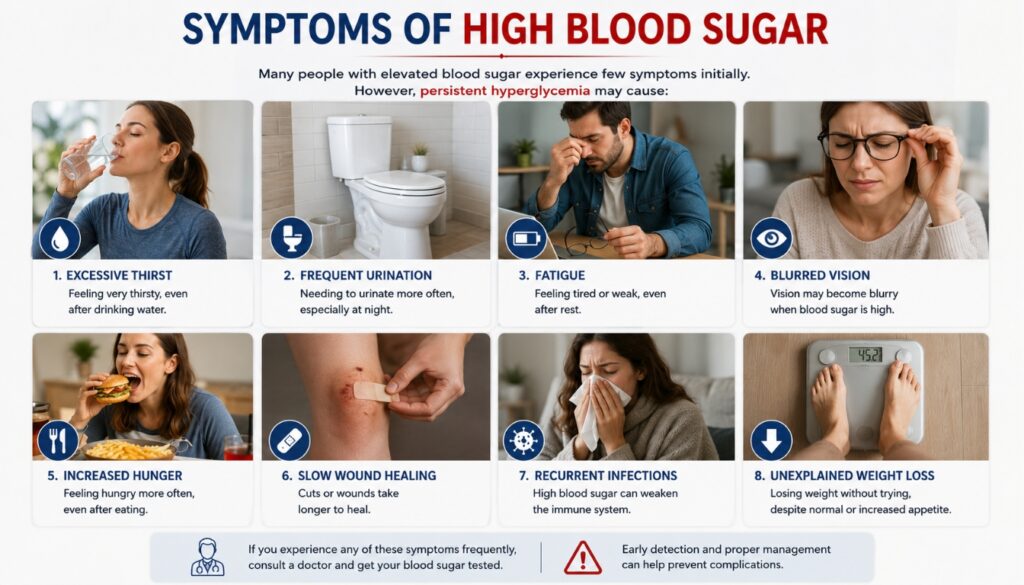
Many people with elevated blood sugar experience few symptoms initially.
However, persistent hyperglycemia may cause:
- Excessive thirst
- Frequent urination
- Fatigue
- Blurred vision
- Increased hunger
- Slow wound healing
- Recurrent infections
- Unexplained weight loss
Ignoring these symptoms can delay diagnosis and increase the risk of complications.
Symptoms of Low Blood Sugar
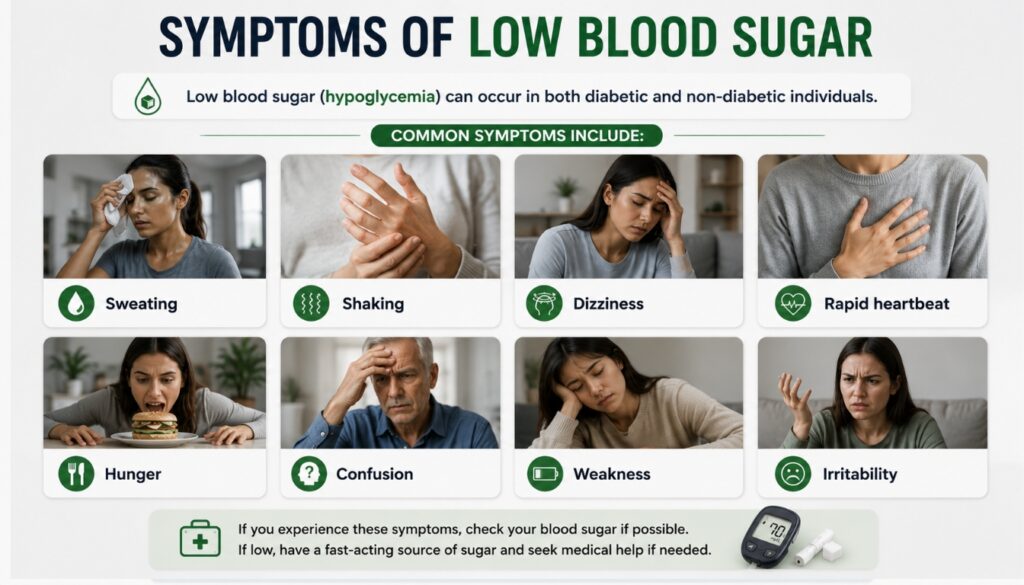
Low blood sugar (hypoglycemia) can occur in both diabetic and non-diabetic individuals.
Common symptoms include:
- Sweating
- Shaking
- Dizziness
- Rapid heartbeat
- Hunger
- Confusion
- Weakness
- Irritability
Severe hypoglycemia is a medical emergency and requires immediate attention.
Who Is at Higher Risk of Diabetes?
Certain factors significantly increase diabetes risk.
Major Risk Factors
- Family history of diabetes
- Obesity
- Physical inactivity
- High blood pressure
- High cholesterol
- Smoking
- PCOS
- Gestational diabetes history
- Age above 45 years
If you have multiple risk factors, regular blood sugar screening is highly recommended.
When Should You Get Your Blood Sugar Tested?
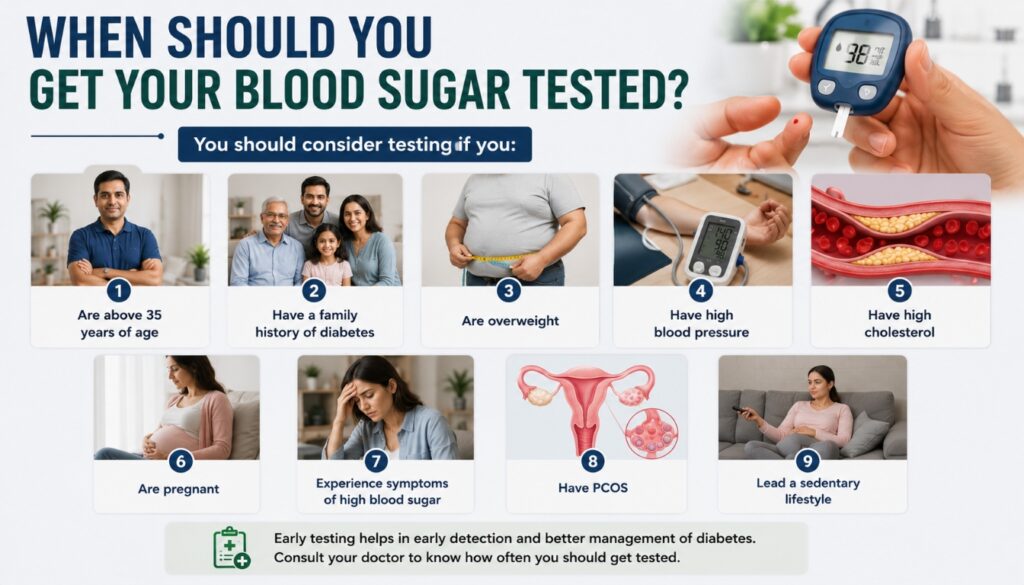
You should consider testing if you:
- Are above 35 years of age
- Have a family history of diabetes
- Are overweight
- Have high blood pressure
- Have high cholesterol
- Are pregnant
- Experience symptoms of high blood sugar
- Have PCOS
- Lead a sedentary lifestyle
Early diagnosis often prevents serious complications.
How to Maintain a Healthy Sugar Level Naturally
Maintaining normal blood glucose levels is often possible through simple lifestyle changes.
Eat Balanced Meals
Include:
- Protein
- Fiber
- Healthy fats
These help slow glucose absorption.
Exercise Regularly
Aim for:
- At least 150 minutes of moderate activity per week
- Walking
- Cycling
- Swimming
- Yoga
Maintain a Healthy Weight
Even modest weight loss can significantly improve insulin sensitivity.
Stay Hydrated
Adequate water intake supports metabolism and glucose regulation.
Manage Stress
Helpful strategies include:
- Meditation
- Deep breathing
- Exercise
- Quality sleep
CMCH Diabetes & Blood Sugar Testing in Chomu
CMCH Hospital Chomu offers comprehensive diabetes screening and blood sugar monitoring services.
Services include:
- Fasting Blood Sugar Testing
- Random Blood Sugar Testing
- HbA1c Testing
- Diabetes Consultation
- Preventive Health Check-Ups
- Routine Laboratory Investigations
- Full Body Check-Up Packages
Patients from Chomu, Jaipur, Govindgarh, Reengus, and nearby areas trust CMCH Hospital for reliable diagnostics and preventive healthcare.
Early screening can identify diabetes before symptoms become severe and help prevent long-term complications.
Why Regular Blood Sugar Monitoring Matters
Monitoring blood sugar regularly helps:
Detect diabetes early
Prevent complications
Improve treatment outcomes
Protect heart health
Reduce kidney disease risk
Support healthy aging
Improve quality of life
Whether you have diabetes or not, periodic monitoring provides valuable insight into your overall health.
Related Health Guides
Heart Attack Symptoms: The Complete Guide Early Signs, Women vs Men & What to Do
8 Early Signs of a Heart Attack You Should Never Ignore
Heart Check-Up Cost in Jaipur & Chomu: Packages, What’s Included & Why It Matters
ECG Test in Chomu & Jaipur: Cost, Preparation & What to Expect
CMCH Hospital Chomu: Complete Guide to Heart & General Care Services
Conclusion
Understanding the sugar level normal range is one of the most important steps toward preventing diabetes and maintaining long-term health. For most healthy adults, fasting blood sugar should remain between 70–99 mg/dL, while blood sugar levels two hours after eating should stay below 140 mg/dL. An HbA1c below 5.7% generally indicates healthy blood sugar control.
Regular testing, healthy eating habits, exercise, adequate sleep, stress management, and preventive health check-ups can help keep your glucose levels within a healthy range.
If you’re concerned about your blood sugar levels or diabetes risk, early screening and professional medical advice can make a significant difference.
FAQs
What is the normal sugar level range?
A normal fasting blood sugar level ranges from 70–99 mg/dL, while blood sugar two hours after eating should generally remain below 140 mg/dL.
Is 110 sugar level normal?
A fasting blood sugar level of 110 mg/dL falls within the prediabetes range and should be monitored.
What is the normal HbA1c level?
An HbA1c level below 5.7% is considered normal.
Is 140 blood sugar normal after eating?
Yes. A blood sugar level below 140 mg/dL two hours after eating is generally considered normal.
What blood sugar level indicates diabetes?
A fasting blood sugar of 126 mg/dL or higher or an HbA1c of 6.5% or above may indicate diabetes.
How often should blood sugar be checked?
Testing frequency depends on age, risk factors, and whether diabetes has been diagnosed. Individuals at higher risk should discuss screening schedules with their healthcare provider.



0 Comments